
Choosing electric vehicles for a business starts with understanding the job they need to do. A vehicle intended for passenger transport may require a different configuration, battery arrangement and maintenance plan from one used for daily deliveries.
For overseas distributors and project buyers, appearance and purchase price are only part of the decision. The right specification should also reflect the daily workload, charging conditions and availability of replacement parts.
This guide outlines the questions to answer before requesting a quotation, reviewing a sample or placing a production order.
1. Start with the Application
Define how the vehicles will be used before comparing models.
Passenger transport: Consider passenger numbers, access to the seats, boarding frequency and the need for a canopy or enclosed cabin.
Cargo transport: Review the typical goods, their dimensions and weight, loading methods and delivery frequency. Cargo-bed size and access can matter as much as the vehicle’s stated load capacity.
Industrial parks and site transport: Consider route length, stop frequency, access restrictions and whether the vehicle will carry staff, visitors, tools or materials.
Sightseeing and hospitality: Review seating arrangements, passenger comfort, visibility and how the vehicle fits the setting and the operator’s branding.
A clear application helps suppliers recommend a relevant configuration and makes quotations easier to compare.
2. Choose Motor Power for the Intended Use
Motor power should be selected according to passenger or cargo requirements, gradients, operating speed and daily workload. A higher power figure does not automatically mean a better fit.
For everyday mobility and light loads, consider starting performance, operation under the expected load and energy use. For passenger or cargo transport, explain the usual passenger numbers or goods weight and the frequency of starts and stops.
For slopes or more intensive operation, also review torque, gearing, the controller, battery power delivery and cooling. Motor power alone does not establish climbing ability or payload capacity.
When requesting a quotation, confirm:
- Whether the stated figure is rated power or peak power, so comparisons use the same basis.
- Compatibility between the motor, battery voltage and controller.
- Suitability for starting, driving and climbing under the planned load and route conditions.
- Operating limits, maintenance requirements and warranty coverage for that configuration.
Record the agreed motor specification and matching components in the quotation and order specification. Where practical, use a sample vehicle or documented testing to confirm performance.
3. Review the Battery and Charging Arrangement
Ask for the battery type, nominal voltage, capacity and the configuration included in the quotation. Confirm which charger is supplied and how its input requirements match the electricity available at the destination.
Your charging checklist should cover:
- Charger input voltage, frequency and plug type.
- Charging time and the conditions behind that estimate.
- Recommended charging and storage procedures.
- Whether the battery is removable.
- Replacement-battery availability and compatibility.
- Warranty coverage and exclusions.
If vehicles are shipped with batteries, ask which transport documents and handling arrangements apply to the specific shipment. Confirm the requirements with the supplier and freight provider before booking transport.
4. Inspect the Chassis, Suspension and Serviceable Parts
Look beyond bodywork and accessories. Ask about the frame, suspension, braking system, tires and the components that local technicians will maintain.
Useful photographs include the underside of the vehicle, rear axle, leaf springs, front suspension and component identification labels. These images can help your team prepare questions and identify parts during later maintenance.
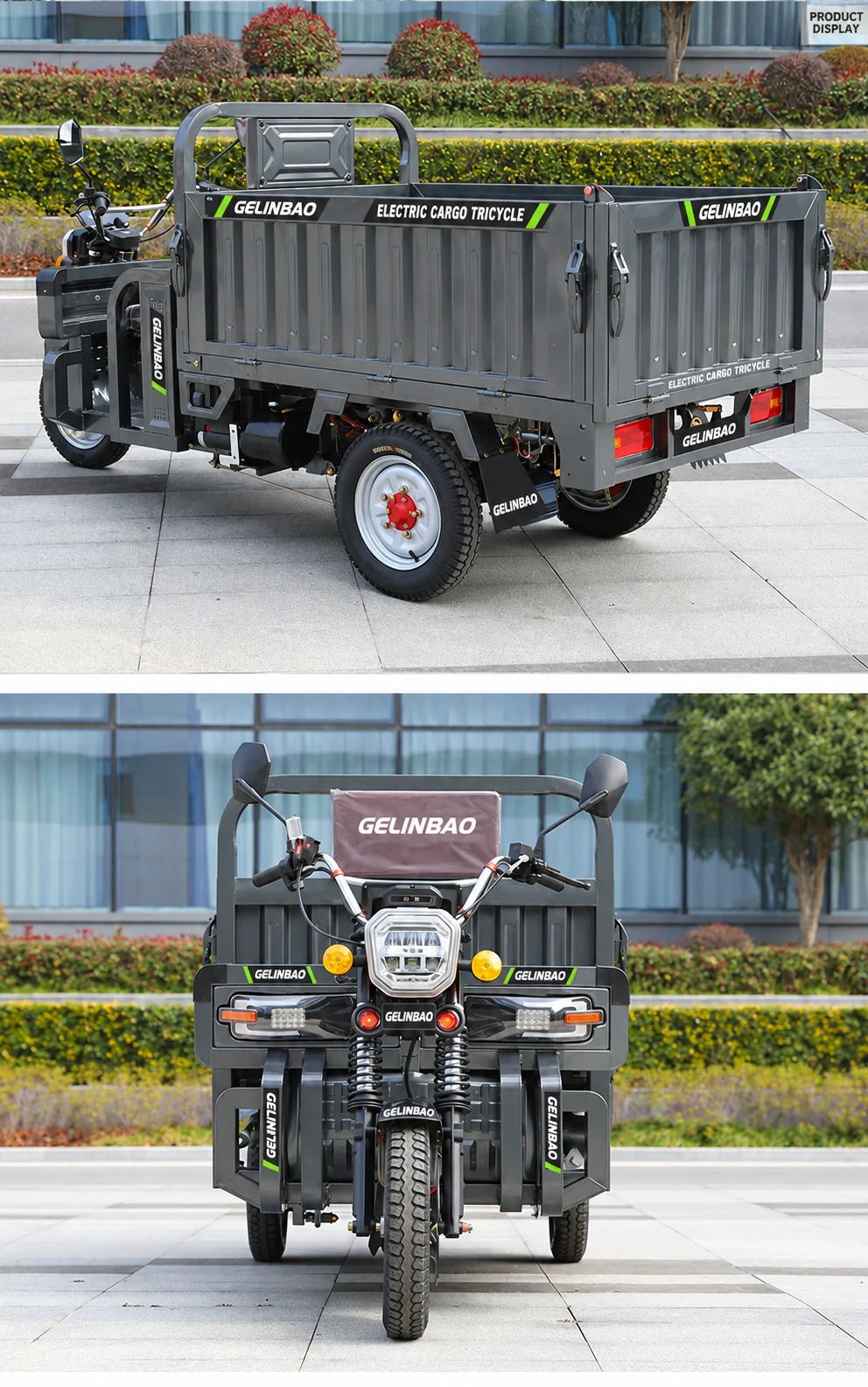
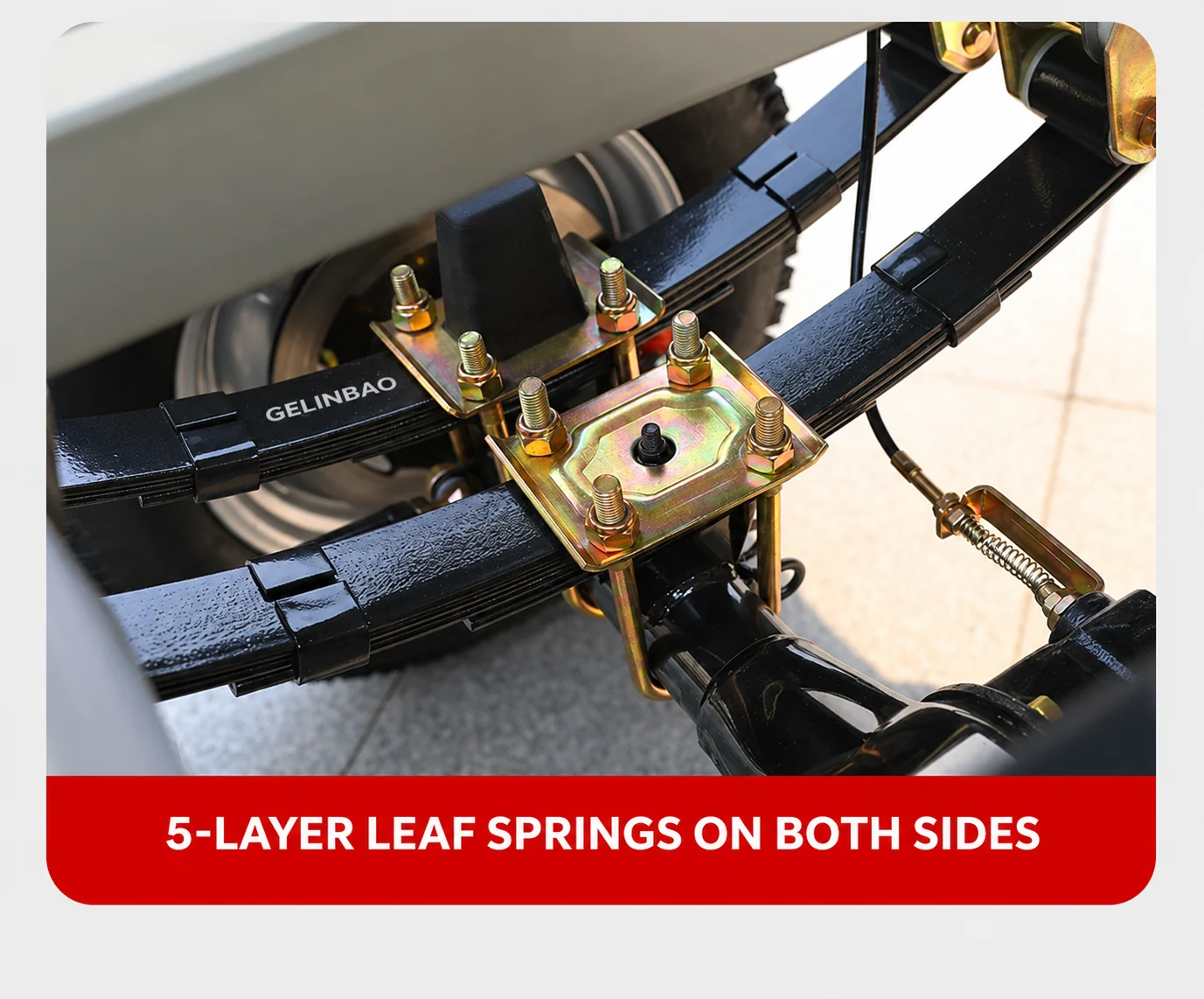
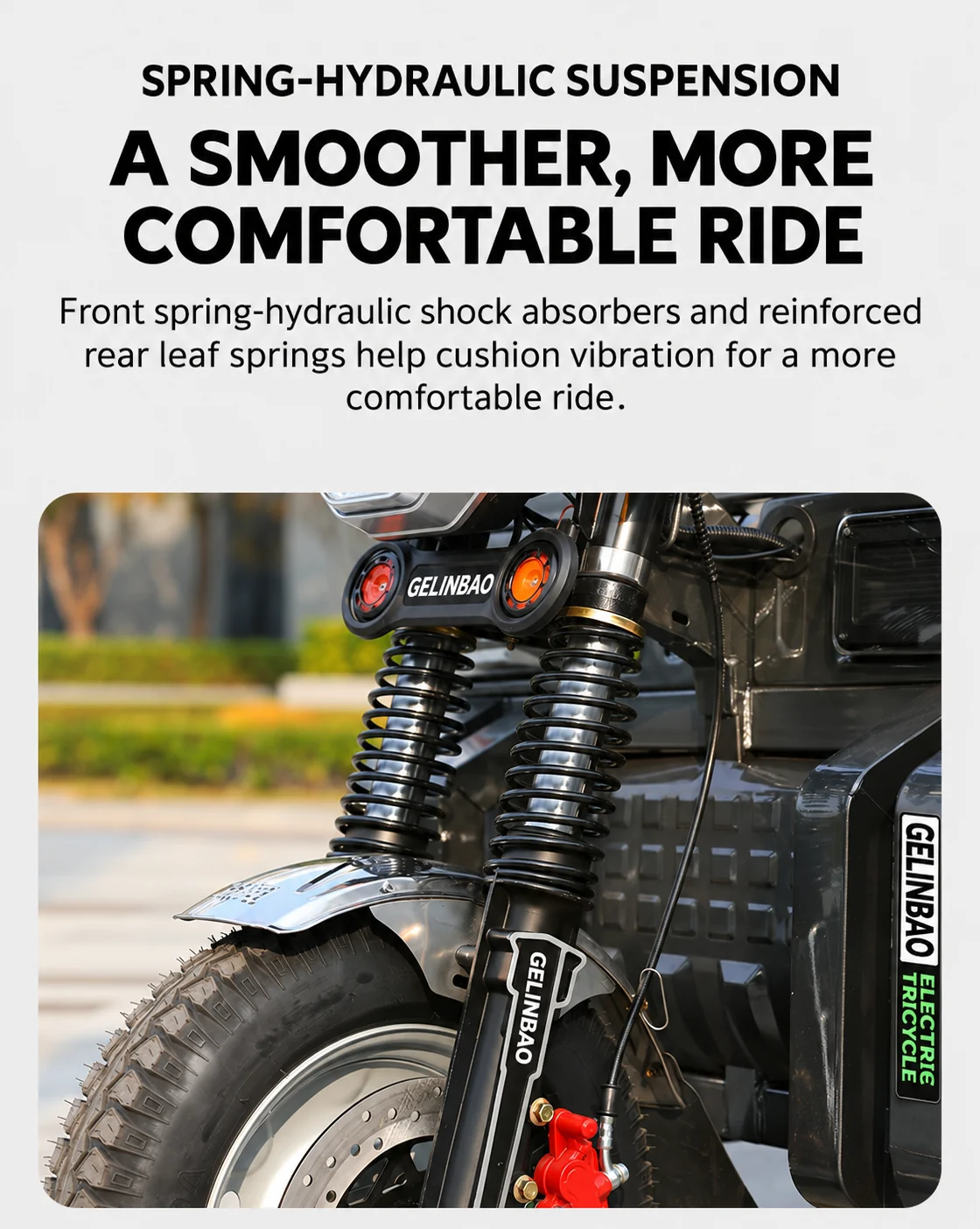
The component images illustrate the configuration shown. Confirm the suspension specification supplied with your selected model.
Discuss spare parts before the first shipment. Depending on the model and local service arrangements, consider an initial stock of wear parts and model-specific electrical components.
Request a parts list, identification references and available maintenance information. Confirm the warranty claim process, evidence required and responsibility for replacement-part shipping costs.
5. Send a Complete Quotation Brief
A detailed enquiry helps suppliers prepare a quotation that reflects your actual requirements. Include:
- Destination country and delivery port.
- Intended application and operating environment.
- Passenger or cargo requirements.
- Route conditions and estimated daily distance.
- Expected order quantity and preferred delivery schedule.
- Battery and charging requirements.
- Branding, color and other customization requests.
- Spare parts and documentation needs.
Ask the supplier to state the quoted configuration, included accessories, packing method, quotation validity and delivery terms. When comparing quotations, check that each offer covers the same scope.
6. Confirm OEM/ODM Requirements and Review a Sample
Customization can include branding, colors, seating, cargo arrangements or other changes supported by the selected model and supplier.
Start with a written requirements list. Ask which requests are standard options and which require development, additional tooling, minimum quantities or a separate approval process.
Where practical, review a sample or arrange a documented inspection before committing to a larger order. Compare the vehicle against the agreed specification and record any changes in writing.
Before production begins, confirm:
- The approved model and configuration.
- Branding artwork and color references.
- Sample findings and agreed corrections.
- Inspection and acceptance criteria.
- Packing and shipment arrangements.
- Payment milestones and after-sales responsibilities.
Keep the final approved specification with the order documents. This gives both parties a clear reference for production and inspection.
7. Plan the Purchase Around the Whole Project
A suitable electric vehicle should fit your application, operating environment and maintenance arrangements—not simply look attractive in a catalogue.
At Somont Mobility, we help overseas distributors and project buyers compare vehicle options, coordinate available OEM/ODM requirements and clarify the specification before ordering.
Planning a vehicle purchase? Share your application, destination market, expected quantity and route conditions with our team to begin a focused discussion.
Email: putaojiudian@gmail.com