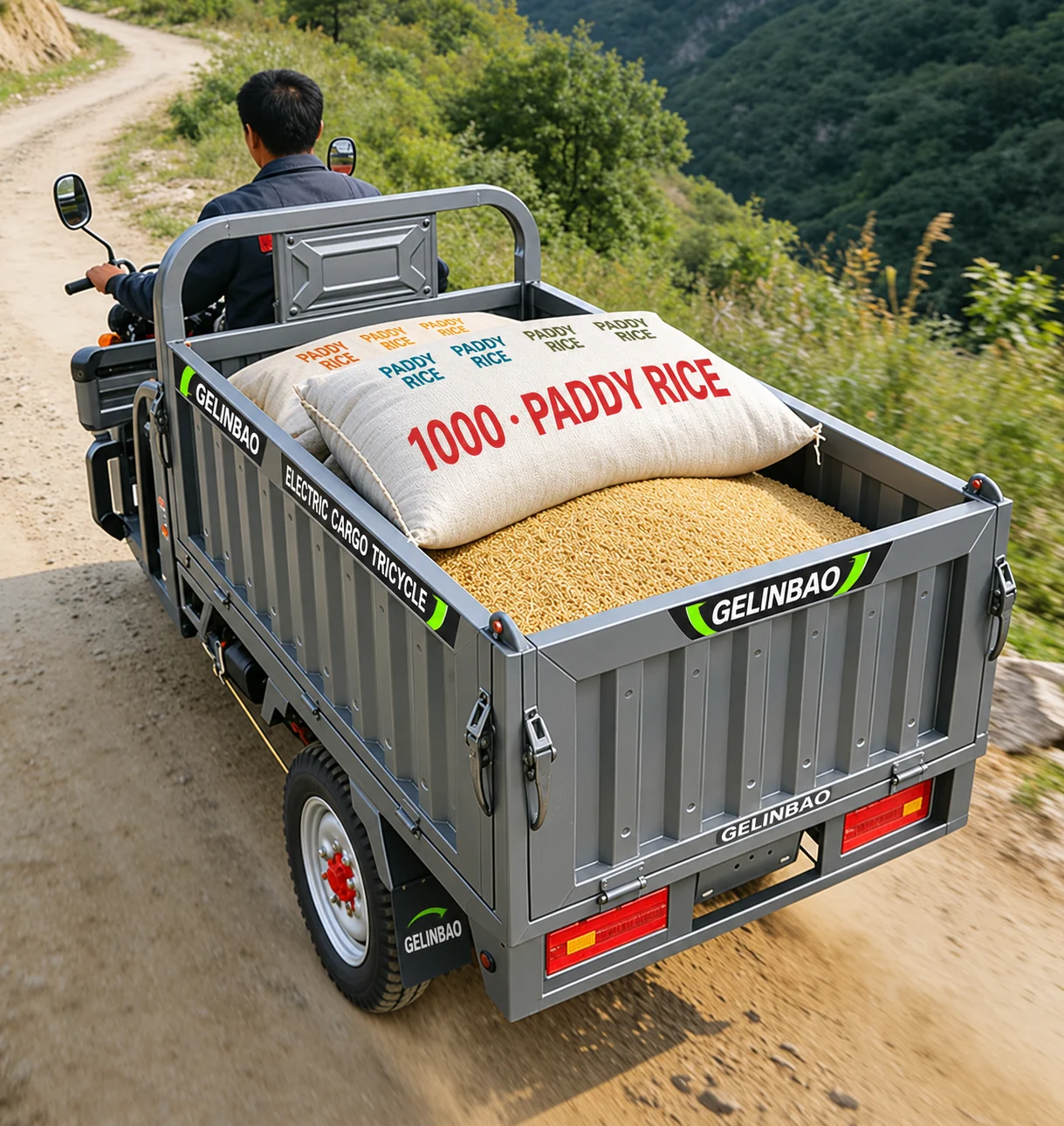
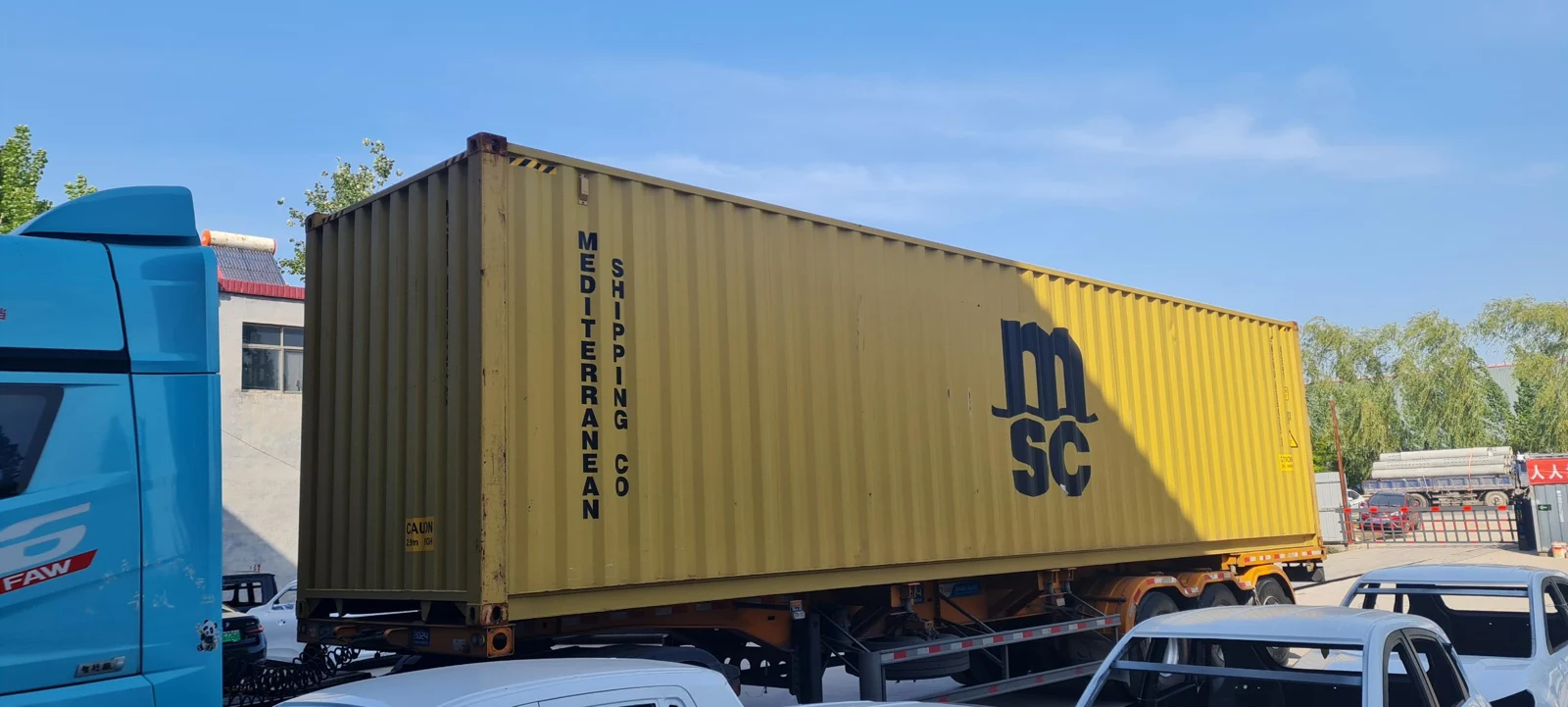
From farm transport to local deliveries, choosing an electric cargo tricycle starts with understanding the work it needs to do. Here are five applications and the key questions distributors and business buyers should ask before ordering.
Moving goods often involves short, repeated journeys: carrying supplies between buildings, collecting produce or delivering orders to nearby customers. An electric cargo tricycle may be worth considering for these tasks, provided its configuration matches the load, route and working schedule.
For overseas distributors and project buyers, appearance alone is not enough to compare models. The starting point should be the customer’s daily operation.
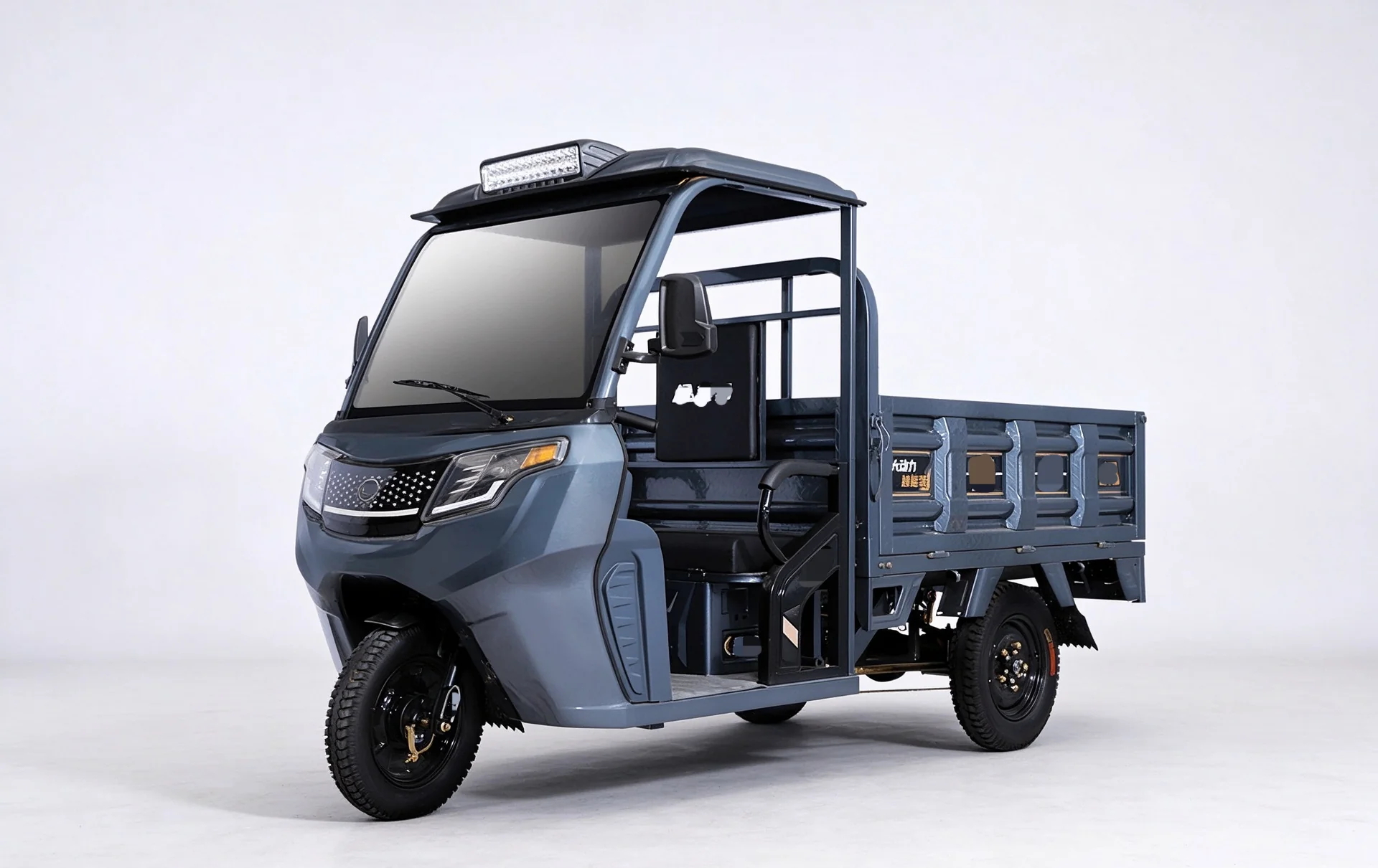
1. Farms and Agricultural Collection
Farms may use cargo tricycles to move harvested produce, tools, feed and other supplies between collection points, storage areas and work sites.
The load can vary considerably throughout the day. Buyers should describe both the goods and the route, including unpaved sections, slopes and seasonal conditions. Loose produce, bagged materials and tall containers also require different loading arrangements.
Before ordering, check:
- Cargo dimensions and expected operating load.
- Cargo bed layout, side panels and loading access.
- Suitability for the described ground conditions.
- Cleaning requirements after transporting agricultural materials.
2. Factories and Industrial Sites
Within a factory or industrial site, a cargo tricycle may support the movement of tools, components, packaging and maintenance supplies.
Here, vehicle size matters as much as carrying capacity. A vehicle must fit the intended passages, turning areas and loading points. Frequent stops and repeated trips should also be included in the operating brief.
Ask the supplier to review the proposed configuration against the actual site layout. Where possible, provide photographs and measurements of restricted access points.
3. Local Shops and Wholesale Distribution
Retailers and wholesalers may need to move cartons, beverages, household goods or shop supplies between a warehouse and nearby outlets.
Different goods create different priorities. Heavy products require careful load planning, while bulky but lighter packages may need more usable cargo space. Goods exposed to rain or dust may require an appropriate enclosure or cover.
An enclosed cargo body should not be assumed to provide refrigeration or controlled-temperature transport. If temperature control is required, discuss it as a separate specification.
4. Parcel and Last-Mile Delivery
For delivery businesses, cargo body design should reflect how parcels are loaded, secured and accessed throughout the route.
A large box is not automatically the most practical choice. Buyers should consider the number of stops, package sizes, door access and the driver’s loading routine.
Brand colours and company graphics can also form part of an OEM/ODM enquiry. Confirm the artwork, placement and proposed vehicle appearance before approving production.
5. Hotels, Campuses and Property Maintenance
Hotels, campuses and managed properties may need vehicles for moving maintenance equipment, gardening tools, cleaning supplies and other operational materials.
Buyers should identify whether one vehicle will carry several types of goods or serve a dedicated task. Equipment storage, load restraint and cleaning between uses may influence the cargo layout.
Operating areas also matter: pedestrian routes, narrow entrances and designated service roads should be discussed during vehicle selection.
6. Match the Configuration to the Job
Once the application is clear, review the vehicle as a complete system.
Motor and drivetrain
Ask the supplier to recommend a configuration based on the expected load, slopes, stopping frequency and daily working hours. Motor power alone does not establish a vehicle’s carrying or climbing capability.
Battery and charging
Provide the expected daily distance and available charging time. Confirm the proposed battery, compatible charger and electrical supply requirements. Any range estimate should state its operating assumptions.
Chassis, suspension and brakes
Request confirmation that the selected configuration suits the intended load and route.
After-sales support
Ask how replacement parts are identified, what technical documents are available and which spare parts should be considered for the initial order.
7. Prepare a Clear Supplier Enquiry
Include:
- Destination country and delivery port.
- Intended use and operating environment.
- Cargo type, dimensions and load requirements.
- Route conditions and estimated daily distance.
- Planned quantity and preferred delivery schedule.
- Battery and charging requirements.
- Branding, colours and other customisation requests.
- Spare parts and document requirements.
For overseas buyers, vehicle selection should also include checking local import, registration and operating requirements before placing an order.
Discuss Your Project with Somont Mobility
Share your operating needs with Somont Mobility to discuss vehicle options and configuration questions. A clear project brief helps both sides identify what needs to be confirmed before moving to a sample or bulk order.